
Whether you're selling after moving out, clearing an inherited home, or between tenants, insurers treat the property as unoccupied — often with a strict inspection condition. The weeks before a sale are exactly when a refused claim hurts most.
No card required. Use all features free for 14 days. Subscribe after your trial to keep making changes; your data stays viewable and exportable.
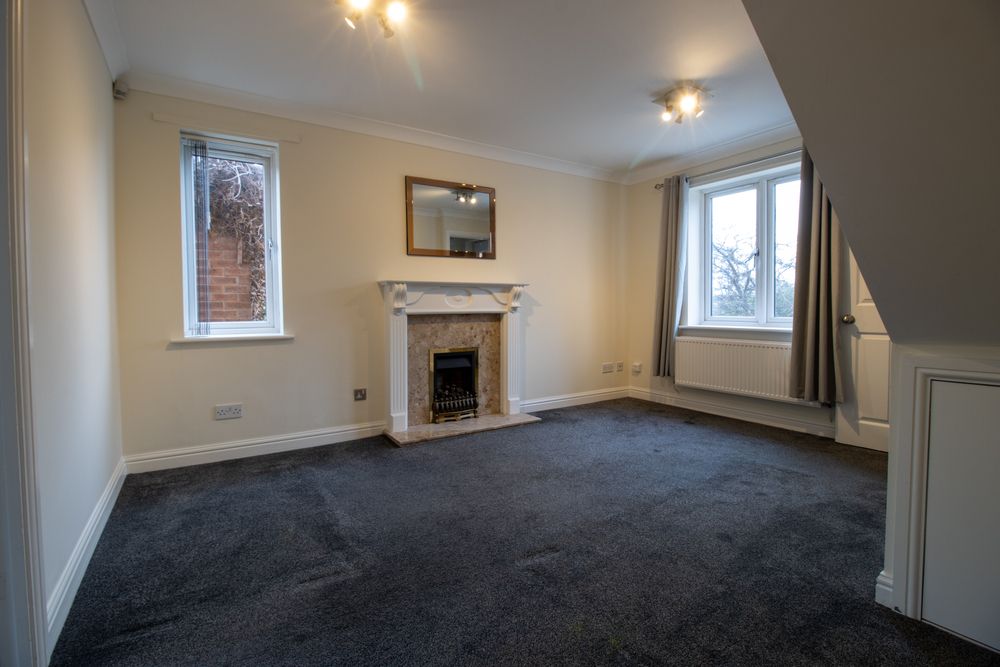
Why sale and void periods are high risk
The property is at its most vulnerable exactly when the paperwork matters most — a loss the week before completion can derail the sale itself.
Claims denied at the worst moment
Burst pipes and leaks in empty homes are routinely refused when the owner can't prove the required inspections happened. Viewings and contractor visits usually don't count — most policies require documented checks by you or your nominated person.
'Unoccupied' vs 'vacant'
Once the furniture leaves, many insurers reclassify the property as vacant — a stricter category with tighter conditions and, in some regions, a permit requirement. An empty, for-sale house is the classic case.
Voids that outlast the plan
'It'll sell in six weeks' and 'the new tenant moves in next month' regularly become four or five months. The policy conditions apply for the whole gap, not just the part you planned for.
How Inspection Record helps until completion
A schedule that matches your policy
Set the inspection interval your insurer requires — commonly 7 or 14 days — and get reminders before a visit is missed.
Evidence tied to every visit
Photograph the stopcock, meters, windows and any trouble spots. Each visit becomes a dated, photo-backed entry.
Share the load
An agent, relative or neighbour near the property can log visits too — everything lands in one record.
A record that survives the sale
If a claim, buyer query or renegotiation lands, you can produce the full inspection history in seconds.
What interval should you set?
Policies for properties on the market or in a void commonly require 7- or 14-day inspections, and some tighten in winter. Match your interval to the policy wording — and if you're unsure, weekly is the safe default.
What insurers expect to see
Proof the inspections actually happened at the required frequency — not a recollection of them. A time-stamped, photo-backed log is precisely what a loss adjuster asks for when a claim lands on an empty property.
Common questions
Estate agents do viewings and contractors visit — doesn't that count as my inspections?
Usually not. Most policies require inspections by the policyholder or a nominated responsible person, carried out and documented on the stated interval. Third-party visits for other purposes rarely satisfy the condition — and are hard to evidence afterwards.
The house is empty of furniture — does that change anything?
Often yes. Some insurers distinguish 'unoccupied' (no one living there) from 'vacant' (no one living there and no contents), and vacant homes can carry stricter terms or need specific endorsement. Tell your insurer the true position — and keep inspection evidence either way.
My tenants left and the next ones arrive in two months. Is it worth setting this up for a short void?
Yes. Void periods are when escape-of-water claims cluster, conditions apply from day one of the void, and the record doubles as condition evidence for the check-in inventory.
Keep it covered until completion
Set the schedule the day the property empties. Reminders, photos and an insurer-ready record carry you to the handover.
Start your inspection recordNo card required. Use all features free for 14 days. Subscribe after your trial to keep making changes; your data stays viewable and exportable.